

Foundation B
Question 1:
**Answer:** B) Sperm penetration of the corona radiata
**Explanation:** Fertilization begins with the sperm penetrating the outer layers surrounding the egg, starting with the corona radiata whereby enzyme hyaluronidase is released. This is the first barrier the sperm must pass through before it can interact with the zona pellucida and eventually fuse with the oocyte.
A is incorrect as capacitation is where the sperm undergo changes to their membrane to gain the ability to fertilize an egg. While this is essential for fertilization, it is a preparatory step that occurs prior to the actual fertilization process and does not involve direct interaction with the egg. Capacitation occurs in the infundibulum of the uterine tube, but it is not the initial step of fertilization.
C is incorrect as sperm binding to the zona pellucida is a crucial step in fertilization whereby enzymes such as acrosin are released to dissolve the zona pellucida, but it occurs after the sperm has penetrated the corona radiata. Therefore, it is not the very first step of the fertilization process.
D is incorrect as sperm fusion with the secondary oocyte represents a later stage of fertilization. Before fusion can occur, the sperm must first penetrate both the corona radiata and the zona pellucida. Thus, this step happens after the initial steps of fertilization.
Question 2:
**Answer:** C) Day 4-5
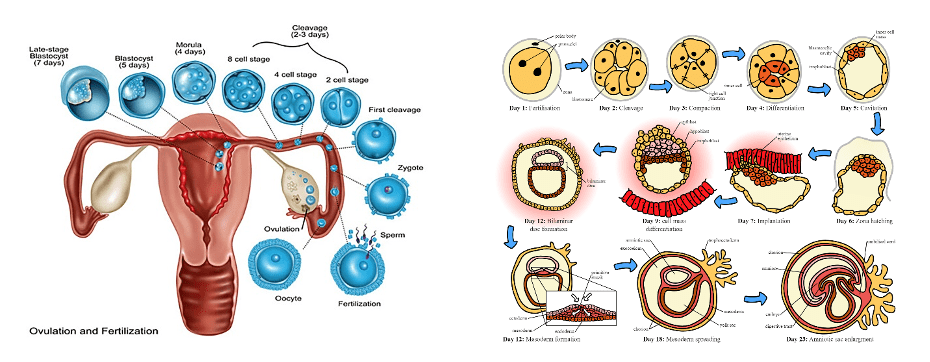
**Explanation:** Blastocyst formation takes place around day 4-5 after fertilization. During this stage, the zygote undergoes several rounds of cell division, forming a hollow ball of cells with an outer layer called the trophoblast and an inner cell mass. The blastocyst is crucial for implantation and contains the embryoblast, which will develop into the embryo, and the blastocoel, a fluid-filled cavity. This process primarily occurs within the fallopian/uterine tube.
Day 0 is where fertilization occurs, forming a zygote.
Day 2-3 is where the zygote undergoes cleavage, forming a morula (a solid ball of cells).
Day 6 is where blastocyst begins to hatch from the zona pellucida and starts the process of implantation into the uterine wall.
Day 7-13 is where the trophoblast layer differentiates into a cytotrophoblast and syncytiotrophoblast because of implantation whilst the inner cell mass differentiates into the hypoblast and epiblast. It is also when bilaminar disc formation begins.
Question 3:
**Answer:** D) Interaction with the maternal uterine tissue
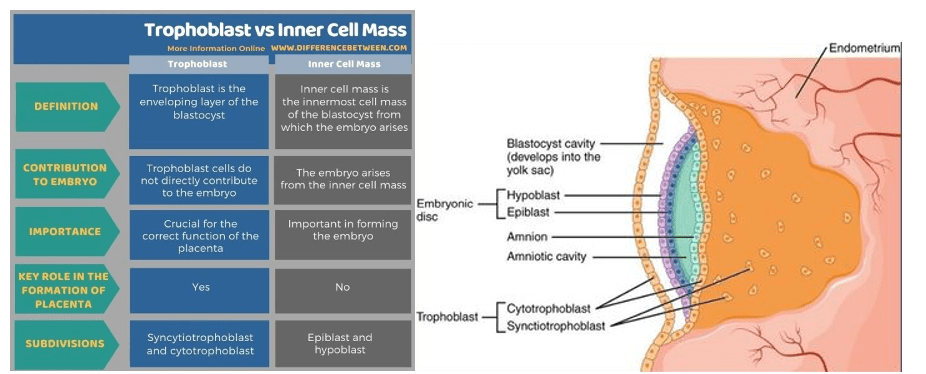
**Explanation:** The trophoblast plays a pivotal role in implantation by interacting with the maternal uterine tissue. It facilitates the attachment of the blastocyst to the uterine wall and eventually gives rise to the placenta. This interaction triggers a series of events that enable the embryo to establish a connection with the maternal blood supply for nutrient exchange and waste elimination and eventually forms the chorionic villi.
A is incorrect as the formation of the embryonic disc occurs later and involves the embryoblast (inner cell mass) within the blastocyst.
B is incorrect as zygote cleavage is the series of mitotic divisions that the fertilized egg undergoes to become a multicellular structure, leading up to the morula and then the blastocyst stages. This is not the function of the trophoblast as it all occurs before the trophoblast has even formed.
C is incorrect as the sperm is what penetrates the zona pellucida, when this occurs the trophoblast is not yet even existent.
E is incorrect as the three germ layers (ectoderm, mesoderm, and endoderm) are formed from the inner cell mass (epiblast), not the trophoblast.
Question 4:
**Answer:** D) Release of the embryo from the zona pellucida
**Explanation:** Embryo hatching refers to the process where the developing embryo breaks free from the zona pellucida, the protective layer that has surrounded it. This allows the embryo to establish direct contact with the maternal uterine tissue and initiate the process of implantation. It is the trophoblast that is responsible for hatching by secreting enzymes that degrade the zona pellucida. The embryo then attaches to the endometrial lining of the uterus.
A is incorrect as it is a step during fertilization when the sperm penetrates the zona pellucida to fertilize the oocyte, not the hatching process.
B is incorrect as this is the implantation process, where the trophoblast invades the uterine lining, which occurs after hatching.
C is incorrect as the blastocyst formation occurs before hatching. The morula transforms into the blastocyst, which then hatches from the zona pellucida.
E is incorrect as differentiation of the embryonic germ layers occurs during gastrulation, which happens after both hatching and implantation.
Question 5:
**Answer:**E) Day 7-13
**Explanation:**The bi-laminar embryonic disc (composed of epiblast and hypoblast) forms during the period of approximately day 7 to day 13 following fertilization. This phase includes the process of gastrulation, during which the bilaminar disc differentiates into three primary germ layers: ectoderm, mesoderm, and endoderm. These layers are crucial for the development of various tissues and organs in the growing embryo. This process occurs within the uterus as the embryo continues to develop.
Day 0: Fertilization occurs.
Day 2-3: Cleavage divisions result in a morula.
Day 4-5: The morula develops into a blastocyst.
Day 6: The blastocyst begins the process of implantation.
Day 7-13: The inner cell mass forms the bi-laminar embryonic disc (epiblast and hypoblast)
Question 6:
**Answer:**A) Morula
**Explanation:**Zygote cleavage leads to the formation of a solid ball of cells known as a morula. This stage occurs a few days after fertilization and precedes the formation of the blastocyst. The morula will eventually differentiate into the blastocyst with an inner cell mass and an outer trophoblast layer, hence why B is incorrect.
C is incorrect as the embryonic disc forms later during the development process, specifically after the blastocyst stage, and is part of the bilaminar and trilaminar stages of the embryo.
D is incorrect as the trophoblast is the outer layer of cells of the blastocyst that will later contribute to forming the placenta.
E is incorrect as the chorion is an extra-embryonic membrane that forms from the trophoblast and other tissues, contributing to the formation of the placenta.
Question 7:
**Answer:**B) Syncytiotrophoblast
**Explanation: **The syncytiotrophoblast is a specialized layer of cells derived from the trophoblast that directly contributes to the formation of the placenta and produces hCG. It is involved in the invasion of the maternal endometrium and facilitates nutrient and gas exchange between the maternal and foetal circulations. The syncytiotrophoblast extends into the maternal endometrial tissue. This invasion creates spaces called lacunae within the maternal tissues. Blood vessels from the maternal spiral arteries extend into the lacunae created by the syncytiotrophoblast. This establishes the maternal blood supply to the developing placenta. Exchange of gases, nutrients, and wastes occurs across the placental barrier formed by the syncytiotrophoblast layer and the endothelial cells of the foetal blood vessels within the chorionic villi.
A is incorrect as cytotrophoblast cells proliferate and penetrate the syncytiotrophoblast layer, forming finger-like projections known as primary chorionic villi. These primary villi contain a core of cytotrophoblast cells surrounded by syncytiotrophoblast. Extraembryonic mesoderm (mesenchyme) from the developing embryo infiltrates into the primary chorionic villi which forms secondary chorionic villi, where the mesenchymal core provides structural support and eventually vascularizes. Blood vessels begin to develop within the mesenchymal core of the secondary chorionic villi. These vessels are essential for establishing circulatory connections between the maternal and foetal circulations, enabling nutrient and gas exchange this is now called the tertiary chorionic villi. The first to penetrate is the syncytiotrophoblast not the cytotrophoblast, so this is not the best answer.
C is incorrect as chorionic villi are finger-like projections of the chorion (the foetal part of the placenta) that extend into the maternal uterine tissue. They contain blood vessels that facilitate exchange of gases, nutrients, and wastes between the maternal and foetal circulations. Chorionic villi themselves are structures within the placenta rather than contributors to its formation and begin formation due to the invasion of the syncytiotrophoblast.
D is incorrect as decidua basalis is the part of the maternal endometrium (uterine lining). It contributes to the maternal component of the placenta by providing a rich blood supply and forming maternal blood sinusoids, but it is not directly involved in the cellular components that form the placenta itself.
E is incorrect as the amnion is the innermost membrane surrounding the embryo and later the foetus. It forms the amniotic sac, which contains amniotic fluid that cushions and protects the developing embryo. While crucial for foetal development and protection, the amnion is not involved in the formation of the placenta.
Question 8:
Answer: D) Treg cells
Explanation: Treg (regulatory T) cells are a subset of CD4+ T cells known for their role in suppressing immune responses and preventing excessive inflammation. They play a crucial role in maintaining immune homeostasis and preventing autoimmune reactions. Dysregulation of Treg cell function can lead to autoimmune diseases and immunopathology. Understanding Treg cells is important for managing immune responses and immune-related disorders.
A is incorrect as Th1 cells primarily promote cell-mediated immunity. They activate macrophages, enhance cytotoxic T cell activity. Th1 responses are typically involved in defence against intracellular pathogens such as viruses and certain bacteria.
B is incorrect as Th2 cells are involved in promoting humoral immunity. They stimulate B cells to produce antibodies, particularly IgE, IgA, and IgG. Th2 responses are important for defence against extracellular parasites and are also implicated in allergic responses and asthma.
C is incorrect as Th17 cells play a role in immune responses against extracellular bacteria and fungi. They produce cytokines such as IL-17, which recruit neutrophils and enhance barrier immunity at mucosal surfaces. Th17 responses are also involved in autoimmune diseases and inflammation.
E is incorrect as Tfh cells are specialized in helping B cells produce high-affinity antibodies during the germinal centre reaction in lymphoid follicles. They provide signals to B cells that lead to their differentiation into plasma cells and memory B cells, thus supporting effective antibody responses.
Question 9:
Answer: A) CD4+ T cells
Explanation: CD4+ T cells, also known as helper T cells, play a crucial role in coordinating immune responses. They assist other immune cells by recognizing antigens presented on Class II MHC molecules and releasing cytokines that enhance antibody production, activate cytotoxic T cells, and direct various immune functions. Their versatility in immune regulation underscores their importance in effective immune responses.
B is incorrect as CD8+ T cells are primarily responsible for recognizing and killing infected host cells, including cells infected with viruses or intracellular bacteria. They play a crucial role in cell-mediated immunity by directly destroying cells presenting foreign antigens on their surfaces.
C is incorrect as Regulatory T cells (TREG) are involved in suppressing immune responses to maintain immune homeostasis and prevent autoimmunity. They inhibit the activation and effector functions of other immune cells, such as T cells and antigen-presenting cells, through various mechanisms, including secretion of anti-inflammatory cytokines like IL-10 and TGF-beta.
D is incorrect as natural killer (NK) cells, can produce perforin and granzymes. Perforin helps create pores in the target cell membrane, allowing granzymes to enter and induce apoptosis (cell death) of the target cell. This mechanism is like how cytotoxic T cells eliminate infected or abnormal cells. They have characteristics of innate immune cells as they can respond rapidly to infections and stress signals.
E is incorrect as memory T cells are long-lived T cells that persist after an initial immune response has resolved. They provide immunological memory, allowing for a quicker and more robust response upon subsequent encounters with the same antigen. Memory T cells can differentiate into effector T cells upon re-exposure to the antigen, aiding in rapid pathogen clearance.
Question 10:
Answer: B) CD4+ T cells target antigens presented on Class II MHC molecules
Explanation: CD4+ T cells recognize antigens presented on Class II MHC molecules (located on antigen presenting cells such as dendrites). They play a central role in assisting immune responses by interacting with antigen-presenting cells and other immune cells. In contrast, CD8+ T cells interact with antigens presented on Class I MHC molecules (located on all nucleated cells, so not erythrocytes) and are primarily involved in killing infected or cancerous cells. Think of number 8 4×2=8 so CD4 targets Class II MHC molecules. 8X1=8 so CD8+ T cells target molecules presented of Class I molecules.
Question 11:
**Answer:**C) Fallopian tube
**Explanation:** Fertilization takes place in the fallopian tube (uterine tube), specifically in the ampulla. The sperm meets the secondary oocyte here, leading to the formation of a zygote.

Question 12:
Answer: B) Exogenous antigen processing
Explanation: Exogenous antigen processing is associated with the uptake of extracellular antigens, often through endocytosis or phagocytosis, followed by processing in endosomes. The generated antigen fragments are then presented on the cell surface using Class II MHC molecules. This pathway is primarily used by professional APCs like dendritic cells, macrophages, and B cells to activate helper T cells and coordinate immune responses against extracellular pathogens. The process occurs via Antigen-presenting cells (APCs) such as dendritic cells, macrophages, and B cells internalizing extracellular antigens through receptor-mediated endocytosis or phagocytosis. The internalized antigens are processed within endosomes, where they undergo enzymatic degradation by proteases. During synthesis, Class II MHC molecules are transported to the endoplasmic reticulum (ER) where they associate with a molecule called invariant chain. The invariant chain helps to stabilize the MHC molecule and prevents it from binding to self-peptides in the ER. In the late endosome, the invariant chain is degraded, leaving a fragment called CLIP (class II-associated invariant chain peptide) bound to the MHC molecule. A specialized protein called HLA-DM (human leukocyte antigen-DM) facilitates the removal of CLIP and allows the binding of antigenic peptides that are derived from the degraded antigens in the endosome. The Class II MHC molecule loaded with the antigenic peptide is transported to the cell surface, where it is presented to CD4+ T cells (Helper T cells).
A is incorrect as endogenous antigen processing is associated with CD8 T cells. It involves processing of antigens synthesized within the cell (e.g., viral proteins) by the proteasome in the cytoplasm. Peptides are transported into the endoplasmic reticulum (ER) by the transporter associated with antigen processing (TAP). Peptides are then loaded onto Class I MHC molecules in the ER and presented on the cell surface to CD8+ T cells (Cytotoxic T cells), Tapasin ensures the antigens are loaded correctly onto the Class I MHC.
C is incorrect as autophagy involves the degradation of intracellular components, such as damaged organelles or pathogens, by forming autophagosomes. Antigens derived from autophagosomes can be processed and presented via both Class I and Class II MHC pathways, depending on the context.
D is partially incorrect as phagocytosis as phagocytosed material is processed in phagosomes and can be presented via Class II MHC molecules after fusion with lysosomes, but this is not the only way that antigens can associate with Class II MHC molecules, but regardless of the method they are all presented through exogenous antigen presentation, so this is not the best answer.
E is incorrect as antigens are loaded onto Class I MHC molecules in the ER and presented on the cell surface to CD8+ T cells, not Class II MHC molecules.
Question 13:
Answer: D) Dendritic cells
Explanation: Antigen-presenting cells (APCs) like dendritic cells are specialized immune cells responsible for capturing antigens, processing them into fragments, and presenting those fragments on their surfaces using major histocompatibility complex (MHC) molecules. This interaction allows T cells to recognize and respond to specific antigens. Common APCs include dendritic cells, macrophages, and B cells. Their ability to initiate adaptive immune responses by presenting antigens is crucial for the immune system’s effectiveness.
A is incorrect as neutrophils are primarily involved in innate immunity as phagocytes that engulf and destroy pathogens through phagocytosis. They are crucial for the initial response to infection but are not specialized for antigen presentation to activate T cells.
B is incorrect as erythrocytes, or red blood cells, are specialized for oxygen transport and do not have the machinery for antigen presentation. They lack major histocompatibility complex (MHC) molecules required for presenting antigens to T cells.
C is incorrect as platelets are involved in blood clotting and wound healing. They do not have the ability to capture, process, or present antigens to T cells as they lack the necessary antigen-presenting machinery, including MHC molecules.
E is incorrect as NK cells are part of the innate immune system and specialize in detecting and killing virus-infected or abnormal cells. They do not process or present antigens to T cells for activation.
Question 14:
Answer: A) Class I MHC molecules
Explanation: Class I MHC molecules are found on the surface of all nucleated cells. They play a critical role in presenting endogenous antigens, such as viral or tumor antigens, to cytotoxic T cells. This interaction is essential for the immune system to detect and eliminate infected or aberrant cells. Class II MHC molecules, on the other hand, present exogenous antigens to helper T cells.
Question 15:
**Answer:**B) Uterine cavity
**Explanation:**Embryo hatching, the process where the embryo breaks free from the zona pellucida, primarily occurs in the uterine cavity. This is a crucial step for the embryo to establish contact with the maternal uterine tissue and initiate implantation.
Question 16:
Answer: D) Innate immune response
Explanation: The innate immune response is characterized by its rapid activation upon encountering pathogens. This response is nonspecific and does not require prior exposure to the pathogen. Neutrophils, as part of the innate immune system, are among the first responders to infection. They detect pathogens (which have DAMPS and PAMPS on their surface) through pattern recognition receptors (PRRs) and quickly migrate to the site of infection, where they engulf and destroy pathogens through phagocytosis. Other components of the innate immune response include dendritic cells, macrophages, natural killer cells, eosinophils, basophils, mast cells, and complement proteins, all of which contribute to the immediate defence against pathogens.
A is incorrect as the primary adaptive immune response is specific and slow, it involves the activation and clonal expansion of antigen-specific T and B cells after initial exposure to a pathogen. It takes several days to develop and is characterized by the production of antigen-specific antibodies and memory cells.
B is incorrect as the humoral immune response is a component of the adaptive immune system that involves the production of antibodies by B cells. Antibodies bind to antigens on pathogens and mark them for destruction or neutralization. While it can be rapid upon re-exposure to a pathogen, it requires several days to develop during the primary response.
C is incorrect as the secondary immune response refers to the rapid and heightened response upon re-exposure to a pathogen. It is characterized by the presence of memory T and B cells that respond more quickly and effectively than during the primary response. This is a feature of the adaptive immune system not the innate immune system.
E is incorrect as cell-mediated immune response involves the activation of cytotoxic T cells and other immune cells to directly destroy infected or abnormal cells. It is an important component of adaptive immunity, particularly in combating intracellular pathogens, not the innate immune system.
Question 17:
**Answer:**A) Latency
**Explanation:**Latency refers to the state where a virus remains dormant (inactive) within the host’s body for an extended period without causing symptoms (producing new virus particles). Examples include herpesviruses like herpes simplex virus (HSV) and varicella-zoster virus (VZV), which can establish latent infections in neurons.
B is incorrect as chronic infection occurs when the virus continuously replicates and produces infectious virus particles over an extended period, often without causing severe symptoms initially. Chronic infections can lead to persistent viral shedding and may result in long-term health consequences or progression to more severe disease states if left untreated. Examples include hepatitis B virus (HBV) and hepatitis C virus (HCV).
C is incorrect as persistent infection describes a situation where the virus remains in the body for an extended period, often with ongoing low-level replication and shedding, but without eliminating the virus or resolving the infection. Persistent infections can involve the continuous production of infectious virus particles and may lead to chronic diseases or long-term carrier states. Examples include human immunodeficiency virus (HIV) and certain types of human papillomavirus (HPV).
D is incorrect as acute infection is characterized by rapid onset of symptoms and a short duration of illness caused by the initial viral replication and host immune response. Most acute infections resolve within weeks as the immune system clears the virus from the body or brings it to a dormant state. In some cases, acute infections can progress to chronic or persistent states if the immune response is not fully effective in eliminating the virus.
E is incorrect as virulence is the ability of a virus to cause disease or harm to its host, virulence influences the severity and impact of infection. Highly virulent viruses cause more severe disease manifestations, while less virulent viruses may cause asymptomatic or mild infections. But this term is unrelated to a virus’s ability to remain in a host for long periods of time without causing symptoms.
Question 19:
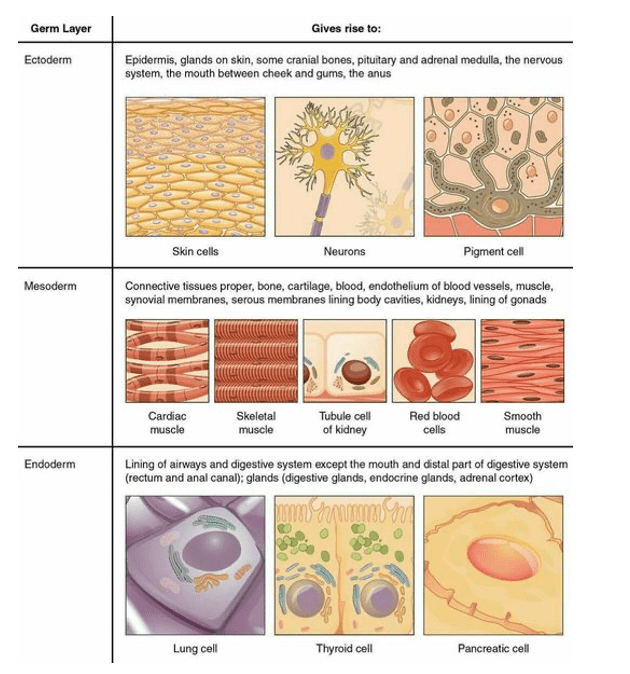
**Answer:**A) Ectoderm
**Explanation:**The ectoderm gives rise to various tissues and structures, including the epidermis (outer skin layer), hair, nails, and the entire nervous system.
B is incorrect as the mesoderm primarily gives rise to structures such as muscles, bones, connective tissues, and some organs like the kidneys and heart. It does not directly contribute to the formation of the nervous system.
C is incorrect as the endoderm forms the epithelial linings of the gastrointestinal tract, respiratory tract, reproductive system, and several other internal organs, but it does not contribute to the nervous system.
D is incorrect as the trophoblast is involved in the formation of the placenta and does not contribute to the formation of the nervous system.
E is incorrect as the chorion is a membrane that contributes to the formation of the placenta and does not contribute to the formation of the nervous system.

Question 19:
**Answer:**A) Viraemia
**Explanation:** Viraemia refers to the presence of virus particles in the bloodstream, often contributing to the spread of viral infections.
B is incorrect as virulence refers to the severity or harmfulness of a virus or its ability to cause disease. While related to the impact of viruses on the host, it specifically refers to the degree of pathogenicity rather than their presence in the bloodstream.
C is incorrect as infection refers to the establishment and growth of a microorganism, such as a virus, within a host organism.
D is incorrect as a virion is a complete virus particle that includes genetic material (either DNA or RNA) enclosed in a protein coat (capsid). It protects the virus as it moves from one host to another but has nothing to do with the presence of a virus in the bloodstream.
E is incorrect as pathogenesis refers to the mechanism by which a virus (or other pathogen) causes disease in a host.
Question 20:
**Answer:**C) Viruses
**Explanation:**Viruses are intracellular parasites that consist of genetic material (DNA or RNA) enclosed in a protein coat, lacking cellular structures.
Question 21:
**Answer:**D) Macrophage
**Explanation:**Macrophages are immune cells specialized in phagocytosis, ingesting and destroying pathogens to contribute to immune defence.
B lymphocytes (option A) and T lymphocytes (option B) are types of lymphocytes involved in adaptive immunity, specifically antibody production (B cells) and cell-mediated immunity (T cells) they are not involved in phagocytosis.
Natural killer cells (option C) are lymphocytes that play a role in recognizing and killing virus-infected cells and cancer cells not in phagocytosis. Basophils (option E) are a type of granulocyte involved in allergic reactions and inflammation not in phagocytosis.
Question 22:
**Answer:**C) Macrophages
**Explanation:**Macrophages are APCs (Antigen presenting cells) which present antigens on their cell plasma surface for T and B lymphocytes to detect which causes the initiation of the immune response.
A is incorrect as cytokines are signalling molecules secreted by various immune cells, to regulate immune responses. They are not immune cells themselves but rather mediators of immune communication.
B is partially correct but not the best answer as T lymphocytes recognise foreign antigens on APC only but not antigens floating in the blood, and they rely on macrophages for initiation, without macrophages an immune response isn’t initiated.
D is incorrect as neutrophils recognize and engulf pathogens but do not play a direct role in antigen presentation to T cells or initiating adaptive immune responses.
E is incorrect as platelets are involved in blood clotting and wound healing. They are not immune cells and do not play a role in antigen recognition or immune response initiation.
Question 23:
**Answer:**C) Th17 cells
**Explanation:**Th17 cells are involved in promoting inflammation and recruiting neutrophils to sites of infection, particularly in defence against extracellular pathogens.
A is incorrect as Th1 cells are involved in cell-mediated immunity, activating macrophages and cytotoxic T cells. They primarily respond to intracellular pathogens and promote inflammation against viruses and certain bacteria.
B is incorrect as Th2 cells are involved in humoral immunity, promoting antibody production by B cells. They are important in defence against extracellular parasites and allergens by promoting IgE release.
D is incorrect as Treg cells (regulatory T cells) are involved in suppressing immune responses and maintaining immune tolerance. They control excessive immune activation and prevent autoimmune reactions.
E is incorrect as CD8+ T cells (cytotoxic T cells) are involved in cell-mediated immunity and directly kill infected or abnormal cells.
Question 24:
**Answer:**C) Endoderm
**Explanation:**The endoderm is responsible for forming the lining of the respiratory and gastrointestinal tracts, as well as the associated glands. It gives rise to structures like the lungs, liver, pancreas, and digestive system linings.
Question 25:
**Answer:**D) Flagellum
**Explanation:**Flagella are whip-like appendages that bacteria use for locomotion, enabling them to move through the environment.
A is incorrect as the capsule is a protective layer outside the cell wall of some bacteria. It helps bacteria evade phagocytosis by immune cells but is not involved in locomotion.
B is incorrect as the nucleus is found in eukaryotic cells, not bacteria as it is a prokaryote. Bacteria lack a true nucleus.
C is incorrect as plasmids are small, circular DNA molecules in bacteria that can replicate independently of the bacterial chromosome. They often carry genes for antibiotic resistance and other traits, but they do not contribute to locomotion.
E is incorrect as pilus (plural: pili) is a hair-like appendage on the surface of bacteria used for attachment to surfaces or other cells but not in locomotion.

Question 26:
**Answer:** D) Treg cells
**Explanation:** Treg (regulatory T) cells play a crucial role in suppressing immune responses to prevent excessive inflammation and maintain immune homeostasis.

Question 27:
**Answer:**B) Mesoderm
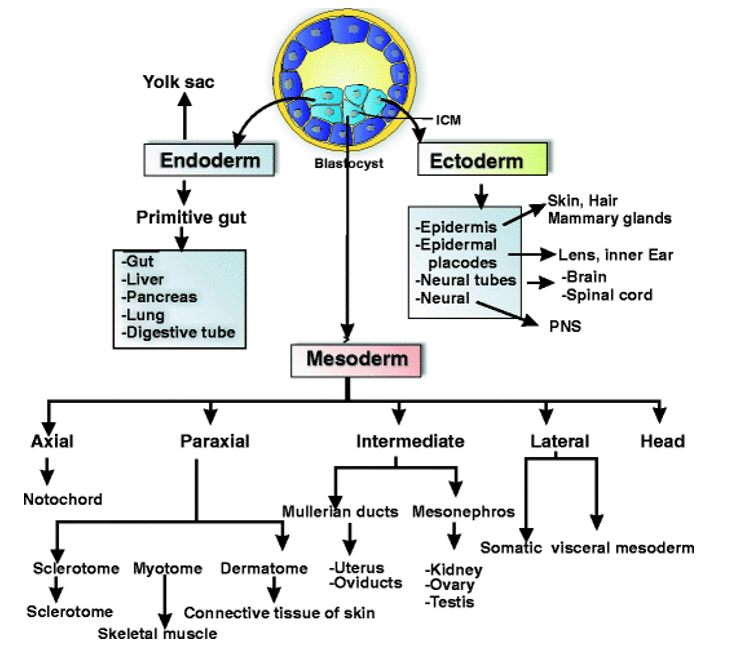
**Explanation:**The mesoderm gives rise to various structures, including the musculoskeletal system, cardiovascular system, kidneys, and other internal organs.
Question 28:
**Answer:**C) Skin
**Explanation:**The ectoderm contributes to the formation of the skin, nervous system, and related structures like hair and nails.
Question 29:
**Answer:** A) Mediate maternal-foetal nutrient exchange
**Explanation:**Chorionic villi are specialized structures that project into the maternal blood-filled spaces of the placenta, facilitating the exchange of nutrients, gases (oxygen and carbon dioxide), and waste products between maternal and foetal circulations. This process is essential for providing the foetus with the necessary nutrients and maintaining foetal growth throughout pregnancy.
B is incorrect as syncytiotrophoblast is primarily responsible for hormone production such as human chorionic gonadotropin (hCG) and human placental lactogen (hPL), which supports pregnancy and helps maintain the corpus luteum in the early stages, chorionic villi can produce some maternal hormones but not to the extent that syncytiotrophoblast and their primary function is nutrient exchange not production of hormones.
C is incorrect as maternal antibodies are primarily produced by maternal plasma cells and transferred to the foetus through the placenta, but chorionic villi themselves do not synthesize antibodies.
D is incorrect as although chorionic villi do secrete proteins that aid in placental attachment, their primary role is not anchoring the placenta to the uterus.
E is incorrect as the function of regulating maternal blood pressure and fluid balance is more directly attributed to spiral artery remodelling rather than to the chorionic villi.
Question 30:
**Answer:**A) Endogenous processing involves presentation of antigens on Class I MHC molecules, while exogenous processing involves presentation on Class II MHC molecules.
**Explanation:**Endogenous antigen processing occurs in infected cells presenting antigens via MHC class I and involves activation of CD8+ T cells, while exogenous processing involves antigen presentation by APCs via MHC class II and involves activation of CD4+ T cells.
B is incorrect as exogenous processing primarily occurs in APCs, while endogenous processing can occur in all nucleated cells capable of expressing Class I MHC molecules.
C is incorrect as both endogenous and exogenous processing pathways can present antigens from a variety of pathogens, regardless of whether they are bacterial or viral in origin.
D is incorrect as endogenous processing targets CD8+ T cells not CD4+ T cells, while exogenous involved CD4+ T cells not CD8+ T cells.
E is incorrect endogenous processing involves cytosolic proteasomal degradation and peptide loading in the endoplasmic reticulum for Class I MHC presentation, while exogenous processing starts in endosomes for Class II MHC presentation.
Question 31:
**Answer:** D) Presentation of exogenous antigens
**Explanation:**MHC class II molecules present exogenous antigens to helper T lymphocytes, initiating immune responses and activating B cells. MHC class I molecules present endogenous antigens.
Question 32:
**Answer:**B) Chromosome 6
**Explanation:**The Major Histocompatibility complex (MHC) system known as the human leukocyte antigen (HLA) in humans is located on the short arm of chromosome 6.
Question 33:
**Answer:**E) Intermediate mesoderm
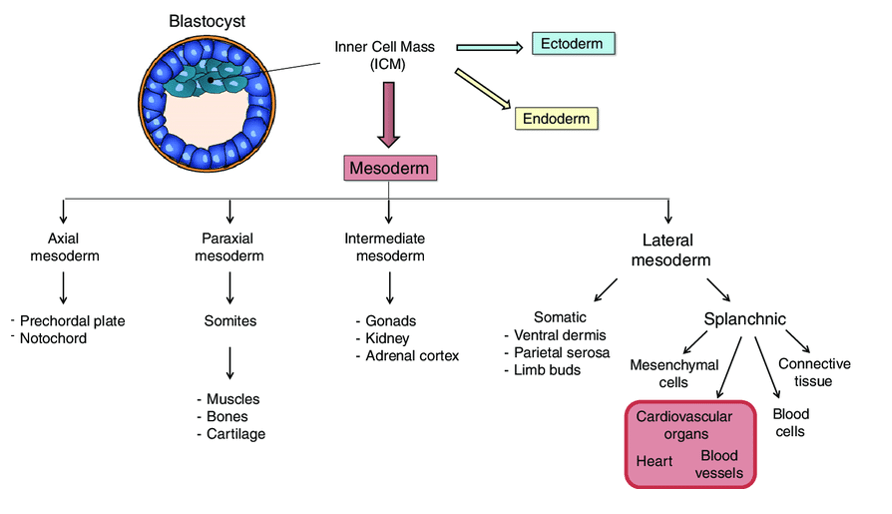
**Explanation:** The intermediate mesoderm gives rise to structures that contribute to the development of the urinary and reproductive systems. The Lateral mesoderm gives rise to structures such as the heart, adrenal cortex and spleen.
Question 34:
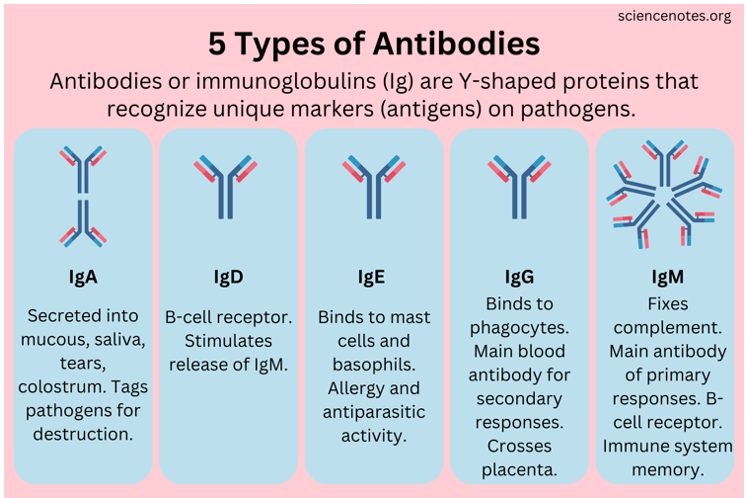
**Answer:**D) IgG
**Explanation:**IgG antibodies are the most abundant in the blood and can cross the placenta, providing passive immunity to a developing foetus.
A is incorrect as IgA is primarily found in mucosal areas and secretions like saliva, tears, and breast milk, providing localized immunity.
B is incorrect as IgE is involved in allergic reactions and defence against parasitic infections.
C is incorrect IgM is the first antibody produced in response to an infection, but it does not cross the placenta effectively.
E is incorrect as IgD is primarily found on the surface of immature B-lymphocytes and functions in activating these cells.
Question 35:
**Answer:**B) IgE
**Explanation:**IgE antibodies are associated with allergic reactions and play a role in defence against parasitic infections.
Question 36:
**Answer:**A) MHC class I
**Explanation:**MHC class I molecules are responsible for presenting peptides derived from intracellular pathogens (such as viruses and intracellular bacteria) to cytotoxic T lymphocytes (CD8+ T cells). This presentation occurs on the surface of all nucleated cells in the body. MHC class II molecules present exogenous peptides to CD4+ T cells.
Question 37:
**Answer:**A) Opsonization
**Explanation:**Opsonization is the process by which foreign particles, such as bacteria or viruses, are coated with molecules that facilitate their recognition and ingestion by phagocytes (such as macrophages and neutrophils). Antibodies (IgG or IgM) or complement proteins (C3b) can act as opsonins, binding to pathogens and marking them for phagocytosis.
C is incorrect as chemotaxis is the movement of cells (including phagocytes) toward a chemical signal, often produced by pathogens or damaged tissues.
D is incorrect as antigen processing and presentation involves the degradation of antigens into peptides and their display on the cell surface by MHC molecules to T cells but is not involved in tagging them.
E is partially incorrect as complement activation is a cascade of reactions that leads to the assembly of complement proteins to lyse pathogens, opsonize them, and induce inflammation but it does not directly involve the tagging of foreign particles for engulfing by phagocytes, but complement activation leads to several outcomes one of which is opsonisation.
Question 38:
**Answer:**A) IgA
**Explanation:**IgA antibodies are primarily found in mucosal secretions and play a crucial role in providing localized immunity at mucosal surfaces.
Question 39:
**Answer:**C) Natural killer (NK) cells
**Explanation:**Natural killer (NK) cells are part of the innate immune response and are capable of destroying infected and cancerous cells through the release of cytotoxic granules. NK cells release perforin and granzymes to kill a target cell. Perforin creates an opening in the target cell so the NK cell can insert granzymes. The granzyme kills the cell.
A is incorrect as T lymphocytes, specifically CD8+ cytotoxic T cells, also destroy infected and cancerous cells by releasing cytotoxic granules, but they are part of the adaptive immune response, not the innate immune response.
B is incorrect as B lymphocytes are primarily responsible for producing antibodies and are part of the adaptive immune system. They do not directly destroy infected cells or cancer cells through cytotoxic granules.
D is incorrect as macrophages are phagocytes that engulf and digest pathogens and debris. They can also kill some pathogens directly but do not release cytotoxic granules to destroy infected or cancer cells in the same manner as NK cells, instead it’s through the enzyme lysozyme.
E is incorrect as dendritic cells are antigen-presenting cells that process and present antigens to T cells to initiate adaptive immune responses. They do not destroy infected cells or cancer cells by releasing cytotoxic granules.
Question 40:
**Answer:**B) Hormone production
**Explanation:**The syncytiotrophoblast is responsible for producing hormones such as human chorionic gonadotropin (hCG) and human placental lactogen (hPL) during pregnancy.
A is incorrect as myeloid cells are a type of blood cell derived from hematopoietic stem cells, not related to the syncytiotrophoblast.
C is incorrect as the amnion is made from the epiblast, the inner cell mass of the blastocyst differentiates into two layers, the epiblast and the hypoblast. The epiblast gives rise to the amniotic ectoderm.
D is incorrect as the amniotic fluid, which fills the amniotic cavity, is what primarily protects the embryo not the syncytiotrophoblast.
E is incorrect as neural development is primarily driven by the ectoderm and neural tube formation, not the syncytiotrophoblast.
Question 41:
**Answer:** B) CD8+ T Cell
**Explanation:**CD8+ T Cells are cytotoxic T cells that are a part of the adaptive immune system. They recognize and destroy virus-infected cells and cancerous cells by recognizing antigens presented by MHC class I molecules on the surface of infected or malignant cells.
A is incorrect as neutrophils are a type of innate immune cell that primarily target bacteria and fungi. They are not part of the adaptive immune system and do not specifically target virus-infected or cancerous cells.
C is incorrect as CD4+ T Cells are helper T cells that play a key role in regulating and assisting other immune cells, including CD8+ T cells and B cells. They do not directly destroy infected or cancerous cells.
D is incorrect as eosinophils are a type of innate immune cell that primarily target parasites and play a role in allergic reactions. They are not involved in targeting virus-infected or cancerous cells.
E is incorrect as natural killer cells are part of the innate immune system and do target virus-infected and cancerous cells, but they do so in a non-specific manner. They are not part of the adaptive immune system.
Question 42:
**Answer:**C) Spina bifida
**Explanation:**Spina bifida is a neurulation defect in which the neural tube doesn’t close completely, leading to varying degrees of spinal cord and spinal column malformation.
A is incorrect as Anencephaly results from the failure of the neural tube to close at the cranial end, leading to the absence of a major portion of the brain, skull, and scalp. It does not involve incomplete development of the spinal cord.
B is incorrect as Kleinfelter’s syndrome is a genetic condition in males caused by an extra X chromosome (XXY). It is not related to neural tube closure and does not affect the development of the spinal cord.
D is incorrect as hydatidiform mole is a type of gestational trophoblastic disease that occurs when an abnormal fertilized egg implants in the uterus. It is not related to neural tube defects or spinal cord development.
E is incorrect as microcephaly involves a smaller-than-normal head size due to abnormal brain development, but it is not directly related to neural tube closure or spinal cord development.
Question 43:
**Answer:**C) IgM
**Explanation:**IgM antibodies are the first antibodies produced in response to an infection and are involved in neutralizing toxins and viruses.
Question 44:
**Answer:**D) Macrophages
**Explanation:**Macrophage cells express toll-like receptors (TLRs) and are responsible for recognizing pathogen-associated molecular patterns (PAMPs), initiating the immune response. TLR are a type of pattern recognition receptor (PRR) which are only located in on innate immune cells since adaptive immune cells have their own specialised receptors.
A is incorrect as b lymphocytes are part of the adaptive immune system and are primarily responsible for producing antibodies. They do not typically recognize pathogen-associated molecular patterns (PAMPs) through toll-like receptors (TLRs).
B is incorrect as T lymphocytes are also part of the adaptive immune system and are involved in recognizing specific antigens presented by MHC molecules. They do not recognize PAMPs through TLRs.
C is incorrect as cytokines are signalling molecules used by immune cells to communicate and coordinate responses. Cytokines themselves are not cells and do not recognize PAMPs through TLRs.
E is incorrect as antibodies are produced by B lymphocytes and are part of the adaptive immune response. They bind to specific antigens on pathogens but do not recognize PAMPs through TLRs.
Question 45:
**Answer:**A) Innate immune response
**Explanation:**Macrophages, dendritic cells, and NK cells are part of the innate immune response, providing a rapid response to various pathogens. It is the body’s first line of defence and allows these cells to recognize and respond to pathogens in a non-specific manner.
B is incorrect as the adaptive immune response is more specific and involves lymphocytes such as B cells and T cells. It includes the formation of memory cells and provides long-lasting immunity but does not primarily involve macrophages, dendritic cells, and NK cells.
C is incorrect as the humoral immune response is a part of the adaptive immune response that involves B cells and the production of antibodies. It does not directly involve macrophages, dendritic cells, and NK cells.
D is incorrect as the antibody mediated response is a part of the humoral immune response, this involves B cells producing antibodies to neutralize pathogens. Macrophages, dendritic cells, and NK cells are not the primary players in this response.
E is incorrect as the cell mediated response is part of the adaptive immune response and involves T cells (particularly cytotoxic T cells) targeting infected cells. While macrophages and dendritic cells can play a role in presenting antigens and activating T cells, the cell-mediated response is not primarily defined by their activity.
Question 46:
Answer: C) Muscles
Explanation: Muscles are primarily derived from the mesoderm germ layer. Ectoderm gives rise to the epidermis, nervous system, hair, nails, and tooth enamel. Mesoderm, on the other hand, contributes to muscle, connective tissues, cardiovascular structures, and the urogenital system. Understanding germ layer derivatives aids in comprehending the diverse origin of different tissues and organs in the developing embryo.
Question 47:
Answer: D) Kidneys and gonads develop from the intermediate mesoderm.
Explanation: The kidneys and gonads arise from the intermediate mesoderm. Kidneys develop from the mesoderm, specifically the intermediate mesoderm, while gonads also originate from the intermediate mesoderm.
Question 48:
Answer: C) It arises from trophoblasts
Explanation: The placenta is a complex organ crucial for foetal development. It is composed of both foetal and maternal tissues. It develops from the trophoblast cells. This structure facilitates nutrient and waste exchange between maternal and foetal blood, and also produces hormones necessary for pregnancy maintenance. Its development extends beyond gastrulation, evolving throughout pregnancy to support foetal growth.
Question 49:
Answer: C) Formation of the trilaminar embryonic disc with three germ layers
Explanation: Gastrulation is a critical phase in embryonic development during which the bilaminar embryonic disc transforms into a trilaminar structure consisting of three germ layers: the ectoderm, mesoderm, and endoderm. Ectoderm gives rise to the nervous system and epidermis; mesoderm forms various structures including muscles and bones; endoderm gives rise to the lining of internal organs. Gastrulation involves cell movements and rearrangements that establish these layers and set the foundation for organogenesis.
A is incorrect as this is known as neurulation, it occurs after gastrulation and involves the development of the neural tube from the ectoderm.
B is partially incorrect as notochord is formed during gastrulation, but this option is not as comprehensive as the formation of the trilaminar embryonic disc, which encompasses the creation of all three germ layers. So this is not the best answer.
D is incorrect as the placenta begins to develop during early embryogenesis, it is not related to the process of gastrulation.
E is incorrect as cleavage divisions are the series of rapid mitotic divisions that occur immediately after fertilization, leading to the formation of the blastula, which precedes gastrulation.
Question 50:
Answer: D) Implantation
Explanation: The bi-laminar embryonic disc forms during the phase of implantation. Implantation occurs around day 7-13 after fertilisation and involves the attachment of the blastocyst to the uterine wall. As the blastocyst attaches, it undergoes further differentiation, resulting in the formation of two distinct layers of cells – the hypoblast and the epiblast – which collectively make up the bi-laminar embryonic disc.
A is incorrect as fertilisation is the process where the sperm fertilizes the egg, resulting in the formation of a zygote.
B is incorrect as cleavage follows fertilization and involves rapid mitotic divisions of the zygote, leading to the formation of a blastula.
C is incorrect as blastulation is the formation of the blastocyst from the blastula. The blastocyst consists of an outer layer of cells (trophoblast) and an inner cell mass, which will later differentiate into the embryonic disc.
E is incorrect as gastrulation results in the formation of a trilaminar disc not the bilaminar disc.
Question 51:
Answer: B) Corona radiata and Zona Pellucida
Explanation: The sperm first penetrates through the corona radiata, which is the layer of follicular cells surrounding the oocyte (releasing hyaluronidase). After passing through the corona radiata, the sperm then interacts with and penetrates the zona pellucida, which is a glycoprotein layer surrounding the oocyte (by releasing acrosin, esterases and neuraminidases). Finally, the sperm fuses with the oocyte’s plasma membrane, leading to the formation of a diploid cell (zygote). The fusion of these two gametes combines their genetic material to form a single-cell embryo with the potential to develop into a new individual.
A is incorrect as these are ovarian follicular cells and are not directly related to the process of sperm penetration and fusion with the oocyte’s plasma membrane, theca interna cells produce androgens in response to LH and granulosa cells aromatises these androgens such as testosterone into oestradiol under the influence of FSH.
C is incorrect as acrosin is an enzyme released from the acrosome of the sperm to help penetrate the zona pellucida, but it is not what the sperm directly penetrates to fuse with the oocyte’s plasma membrane.
D is incorrect as hyaluronidase is another enzyme involved in sperm penetration through the corona radiata, but not directly through the zona pellucida for membrane fusion.
E is incorrect as neuraminidase is an enzyme found on the acrosomal membrane of sperm cells. Its primary function during fertilization is to hydrolyse (break down) sialic acid residues present on glycoproteins within the zona pellucida.
Question 52:
**Answer:**C) Thyroid cartilage
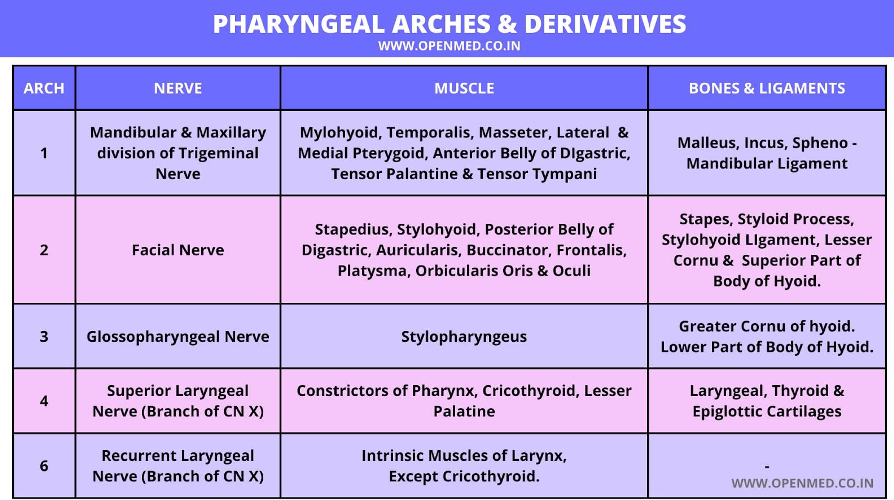
**Explanation:**The fourth pharyngeal arch gives rise to the thyroid cartilage and contributes to the development of other structures in the head and neck region.
A Maxilla: Formed from the first pharyngeal arch.
B Thyroid gland: Arises from the endodermal tissue of the pharynx and does not directly derive from any pharyngeal arch.
D Facial nerve (CN VII): Arises from the second pharyngeal arch.
E Stapes: Derived from the second pharyngeal arch.

Question 53:
**Answer:**A) Glossopharyngeal nerve
**Explanation:**The third pharyngeal arch gives rise to the Glossopharyngeal nerve and contributes to structures in the head and neck region.
Question 54:
**Answer:**D) Week 4
**Explanation:**The pharyngeal arches begin to form during the fourth week of embryonic development and play a crucial role in the development of structures in the head and neck region.
A is incorrect as in week 1 fertilization typically occurs at the beginning of this week. The zygote undergoes cleavage divisions, forming a morula and then a blastocyst, which implants into the uterine wall toward the end of the week.
B is incorrect as in week 2 implantation is completed, and the embryonic disc starts to form. During this week, the bilaminar embryonic disc (epiblast and hypoblast layers) forms. The amniotic cavity and yolk sac begin to develop.
C is incorrect as in week 3 gastrulation begins, at around day 15 after fertilization. The primitive streak forms, and cells migrate through it to form the three germ layers: ectoderm, mesoderm, and endoderm. By the end of this week, the notochord forms, which plays a role in inducing the development of the nervous system and somites, neurulation also begins in week 3.
E is partially incorrect as in week 5 continued development and differentiation of the pharyngeal arches occur. Each arch differentiates into specific structures, including cartilage, muscles, nerves, and blood vessels. The arches are crucial for the formation of the face, jaw, neck, and some internal structures like parts of the throat.
Question 55:
**Answer:**C) Week 4
**Explanation:**Neurulation is the process of neural tube formation; it begins around the third week of embryonic development with the formation of the neural plate. By early week 4, the neural plate folds inward to form the neural groove, and this groove closes to form the neural tube. The closure of the neural tube starts at the anterior (future brain region) and progresses caudally (towards the tail end). By the end of week 4, the neural tube is typically completely closed, establishing the precursor structures for the brain and spinal cord
Question 56:
**Answer:**A) Stapes
**Explanation:**The second pharyngeal arch gives rise to the stapes, a bone in the middle ear, and contributes to the formation of other structures in the head and neck region.
B is incorrect as the maxilla, which forms the upper jaw and part of the nose, is derived from the first pharyngeal arch.
C is incorrect as the hyoid bone, which supports the tongue and is important for swallowing and speech, is derived from structures associated with the third and fourth pharyngeal arches.
D is incorrect as the recurrent laryngeal nerve is a subdivision of the vagus nerve and is derived from the sixth pharyngeal arch not the second.
E is incorrect as the parathyroid glands, which regulate calcium and phosphate levels in the body, arise from the endodermal lining of the third and fourth pharyngeal pouches.
Question 57:
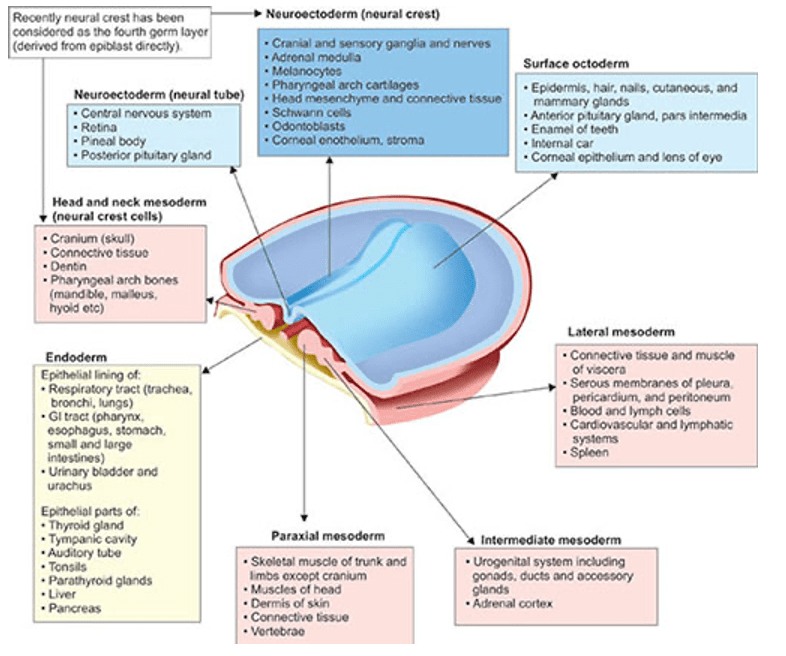
**Answer:**C) Endoderm
**Explanation:**The endoderm is responsible for giving rise to the epithelial linings of various organs, including the liver and pancreas.
Question 58:
**Answer:**A) Formation of the neural tube
**Explanation:**The notochord plays a critical role in inducing the formation of the neural tube from the overlying ectoderm. It secretes signalling molecules that direct ectodermal cells to differentiate into neural tissue, leading to the development of the brain and spinal cord.
B is incorrect as somites are blocks of mesodermal cells that give rise to structures such as skeletal muscles, bones, and dermis. They are made from paraxial mesoderm.
C is incorrect as the development of the PNS involves the differentiation of neural crest cells, which migrate from the dorsal neural tube. While the notochord influences neural tube formation, it does not directly contribute to PNS development.
D is incorrect as although the notochord is a mesodermal structure, its primary role during embryonic development is to induce neural tube formation from the ectoderm rather than mesodermal differentiation.
E is incorrect as endodermal development primarily involves the formation of structures such as the gut and associated organs, which is regulated by signalling from nearby tissues and not directly by the notochord.
Question 59:
**Answer:**D) Kidneys
**Explanation:**The kidneys are derived from the mesoderm during embryonic development.
Question 60:
**Answer:**C) Haematopoiesis
**Explanation:**During embryonic development, the liver plays a crucial role in hematopoiesis, which is the formation of blood cells. Haematopoiesis in embryonic development occurs in these structures: Yolk sac, Liver, Spleen, Bone marrow. You Love a Smart Bunny
A is incorrect as during embryonic development, the liver is not actively involved in bile excretion. Bile production and excretion become significant functions postnatally when the digestive system is fully operational.
B is incorrect as nutrient absorption primarily occurs in the intestines, not in the liver. The liver plays a role in processing nutrients, but it does not absorb them directly from the digestive tract during embryonic development.
D is incorrect as gas exchange occurs primarily in the lungs through respiration, which is not fully functional in embryonic development due to amniotic fluid bathing the embryo’s lungs. The liver does not play a role in gas exchange at any stage of development.
E is partially incorrect as erythropoiesis is the production of red blood cells. While erythropoiesis does occur in the liver during embryonic development, it is part of the broader process of haematopoiesis. Therefore, this is not the best answer.
**Question 61:**
Correct Answer: C)
Explanation: Capacitation is a physiological process that sperm must undergo to gain the ability to fertilise an oocyte. During capacitation, the sperm experiences biochemical changes that enhance its motility and prepare it for the acrosome reaction, which is necessary for penetrating the zona pellucida surrounding the oocyte.
A is incorrect because capacitation does not involve an increase in the number of mitochondria. The mitochondria in sperm are already present and are responsible for providing energy for motility, but capacitation does not affect their number.
B is incorrect as sperm do not undergo meiosis once they are mature and released. Meiosis occurs during spermatogenesis before sperm are fully formed. Capacitation occurs after sperm have been released and does not involve meiosis.
D is incorrect because capacitation itself does not directly allow the sperm to bind to the oocyte’s plasma membrane. Instead, it prepares the sperm for the acrosome reaction, which is the process that allows the sperm to bind and penetrate the zona pellucida, a prerequisite for the sperm to interact with the oocyte’s plasma membrane.
E is incorrect because the cortical reaction is triggered by the sperm’s entry into the oocyte and is part of the process that prevents polyspermy. Capacitation prepares the sperm for this interaction but does not trigger the cortical reaction itself. The cortical reaction occurs after sperm binding and fusion with the oocyte membrane.
Question 62:
Correct Answer: B)
Explanation: Hyaluronidase is an enzyme released by sperm that digests the extracellular matrix of the corona radiata, surrounding the oocyte. This enzyme helps the sperm to penetrate these layers and reach the zona pellucida, which is crucial for fertilisation.
A is incorrect because hyaluronidase specifically targets the corona radiata and not the zona pellucida. The zona pellucida is primarily acted upon by other enzymes, such as acrosin, esterases and neuraminidases and other proteolytic enzymes that are released during the acrosome reaction.
C is incorrect as the cortical reaction is a response of the oocyte to the sperm’s entry, which is triggered by the sperm binding to the oocyte’s plasma membrane, not by hyaluronidase.
D is incorrect as hyaluronidase does not affect sperm motility. Sperm motility is regulated by capacitation, which occurs in the female reproductive tract and involves other biochemical changes in the sperm.
E is incorrect because hyaluronidase does not facilitate the direct binding of the sperm to the oocyte’s plasma membrane. Instead, it helps in the initial penetration through the corona radiata. The binding to the oocyte’s plasma membrane involves other interactions and molecules, including those related to the acrosome reaction.
Question 63:
Correct Answer: C)
Explanation: during the acrosome reaction, the acrosome releases a variety of enzymes that help digest the zona pellucida, the glycoprotein layer surrounding the oocyte. These enzymes include: Acrosin, a protease that breaks down proteins in the zona pellucida, facilitating sperm penetration. Neuraminidases, enzymes that cleave sialic acid residues, which can aid in the digestion of the zona pellucida. Esterases, enzymes that break down ester bonds in glycoproteins, further assisting in the digestion of the zona pellucida.
A is incorrect because while proteases are involved in the process (like acrosin), lysozyme is not typically a key enzyme released during the acrosome reaction. Lysozymes are involved in bacterial cell wall degradation and are not primary players in the digestion of the zona pellucida.
B is incorrect because hyaluronidase is primarily involved in digesting the corona radiata, not the zona pellucida. While acrosin is involved in digesting the zona pellucida, hyaluronidase’s role is earlier in the process.
D is incorrect because lipase is not a primary enzyme involved in the acrosome reaction, lipase hydrolyses lipids. The primary focus is on proteases like acrosin that act on the zona pellucida, not directly on the oocyte’s plasma membrane.
Question 64:
Correct Answer: C)
Explanation: The sperm binds to the ZP3 receptor on the zona pellucida during fertilization. ZP3 is a glycoprotein that plays a critical role in sperm recognition and binding, which subsequently induces the acrosome reaction. The interaction between sperm and ZP3 is essential for successful fertilisation.
Question 65:
Correct Answer: C)
Explanation: The cortical reaction occurs after a sperm successfully fuses with the oocyte. It involves the release of cortical granules from the oocyte into the perivitelline space. These granules contain enzymes that modify the zona pellucida, making it impermeable to additional sperm. This process, known as the zona reaction, is critical for preventing polyspermy, which ensures that only one sperm fertilises the oocyte.
A is incorrect because this describes the acrosome reaction, not the cortical reaction. The acrosome reaction involves the release of enzymes such as acrosin to digest the zona pellucida and enable sperm penetration, but it does not enhance sperm motility or prevent polyspermy.
B is incorrect because the fusion of sperm and oocyte membranes is part of the fertilisation process, but it is not the cortical reaction. The initiation of meiosis in the oocyte (completion of the second meiotic division) occurs because of sperm entry, but it is not the purpose of the cortical reaction.
D is incorrect because the binding of sperm to the oocyte plasma membrane occurs before the cortical reaction. The activation of the sperm is related to the acrosome reaction and capacitation, not the cortical reaction.
E is incorrect because the fusion of multiple sperm with the oocyte would result in polyspermy, which is not desirable and is prevented by the cortical reaction. The primary function of the cortical reaction is to prevent polyspermy, not to ensure genetic diversity.
Question 66:**
Correct Answer: C)
Explanation: Acrosin is a proteolytic enzyme that digests glycoproteins in the zona pellucida, allowing the sperm to penetrate this protective layer. This enzymatic activity is crucial for the sperm to reach the oocyte.
A) acrosin does not dissolve the oocyte’s plasma membrane; its role is limited to the zona pellucida.
B) is incorrect as acrosin itself is the main enzyme responsible for zona pellucida digestion, other enzymes are involved such as esterases and neuraminidases, but they are not activated by acrosin.
D) is incorrect as the sperm is what binds to ZP3 and is a step prior to the acrosome reaction; acrosin acts after this binding.
E) is incorrect as the cortical reaction is triggered by the sperm-oocyte fusion, not by acrosin.
Question 67:
Correct Answer: D)
Explanation: neuraminidases are enzymes that specifically cleave sialic acid residues from glycoproteins and glycolipids. During the acrosome reaction, neuraminidases act on the zona pellucida by removing sialic acids, which helps in modifying the structure of the zona pellucida and facilitates the subsequent action of other enzymes, such as acrosin, which are crucial for sperm penetration.
A) is incorrect because hydrolysing zona pellucida proteins is the role of acrosin, not neuraminidases.
B) is incorrect because neuraminidases act on the zona pellucida, not on sperm surface glycoproteins. Capacitation modifies sperm surface glycoproteins.
C) is incorrect because digesting corona radiata cells is the role of hyaluronidase, not neuraminidases.
E) is incorrect because neuraminidases help with zona pellucida penetration, while fusion is facilitated by other molecules and processes after penetration.
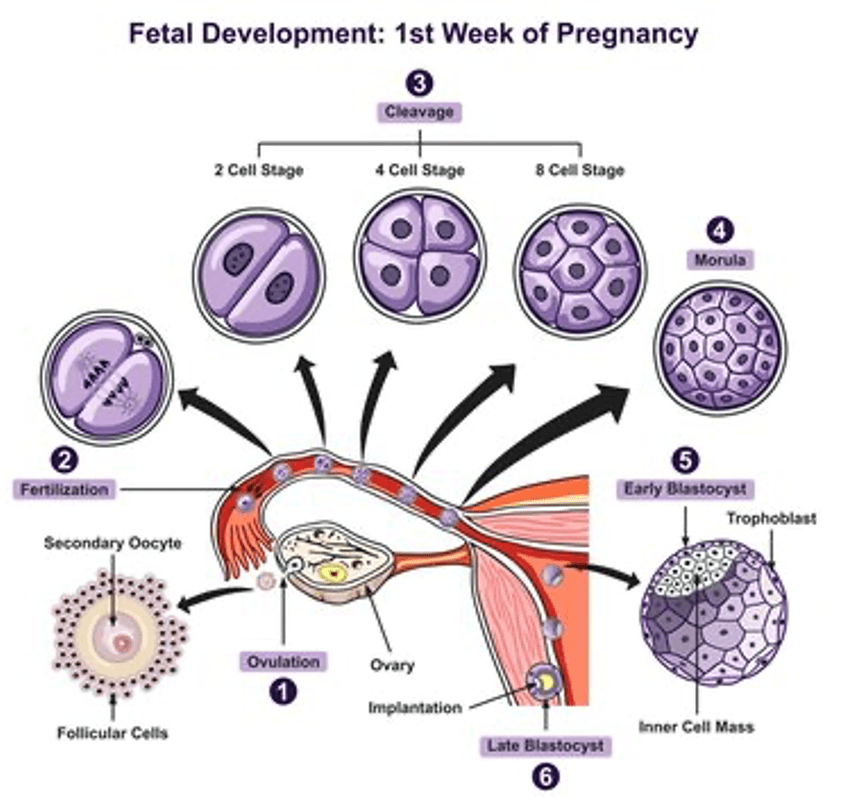
Question 68:
Correct Answer: D)
Explanation: D) Cleavage involves significant growth phases between divisions is incorrect because cleavage divisions are rapid and do not involve growth phases. Cells divide without increasing in size, leading to the formation of smaller cells called blastomeres.
Question 69:
Correct Answer: C)
Explanation: The morula is a solid ball of cells that results from the cleavage (rapid cell divisions) of the fertilised egg (zygote). It typically consists of 16-32 cells called blastomeres. This stage occurs around 3 days after fertilisation. The morula is still enclosed within the zona pellucida, a glycoprotein membrane that originally surrounded the oocyte. The blastocyst forms after the morula stage, typically around 5 days after fertilisation. The blastocyst is characterised by a fluid-filled cavity called the blastocoel, an inner cell mass (which will become the embryo), and an outer layer of cells called the trophoblast (which will form part of the placenta). The blastocyst “hatches” from the zona pellucida to facilitate implantation into the uterine wall.
A) is incorrect because this describes the blastocyst stage, not the morula.
B) is incorrect because this describes the blastocyst, not the morula.
D) incorrect because implantation occurs after the blastocyst stage.
E) is incorrect because this occurs during gastrulation (week 3), not the morula stage.
Question 70:
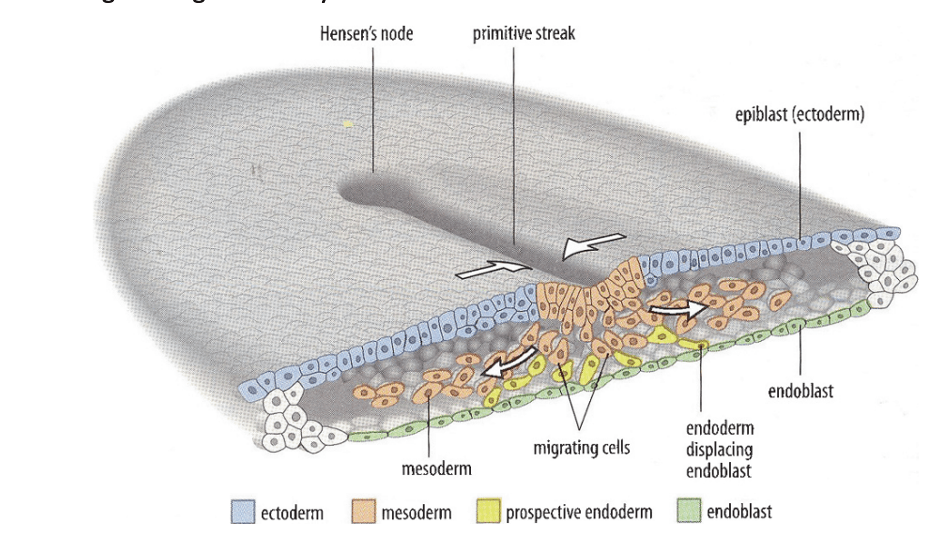
Correct Answer: B)
Explanation: the primitive streak is a critical structure that forms during the process of gastrulation. It establishes the body’s longitudinal axis and provides a site where mesodermal cells ingress to form the three germ layers: ectoderm, mesoderm, and endoderm. The formation of the primitive streak is crucial for organizing these layers and setting up the foundation for the body plan.
A) is incorrect because the morula forms during cleavage, not involving the primitive streak.
C) is incorrect because neurulation involves the formation of the neural tube and occurs after gastrulation.
D) is incorrect because implantation occurs when the blastocyst attaches to the uterine wall and does not involve the primitive streak.
E) is incorrect because the blastocyst forms before the primitive streak appears, during cleavage and early blastulation.
Question 71:
Correct Answer: B)
Explanation: the notochord releases signalling molecules (chordin and noggin) that induce the overlying ectoderm to form the neural tube, the precursor to the central nervous system.
A) is incorrect because the notochord does not become the spinal cord; it induces the neural tube, which forms the spinal cord.
C) is incorrect because the notochord does not become the vertebral column; it becomes the nucleus pulposus within the intervertebral discs.
D) is incorrect because the brain develops from the neural tube, which is induced by the notochord.
E) is incorrect because the notochord induces the formation of the central nervous system but does not become it.

Question 72:
Correct Answer: A)
Explanation: after birth, the umbilical vein becomes the ligamentum teres, a remnant that runs along the liver.
B) is incorrect because the ligamentum arteriosum is the remnant of the ductus arteriosus, not the umbilical vein.
C) is incorrect because the ductus venosus becomes the ligamentum venosum.
D) is incorrect because this is not related to the umbilical vein; it is a structure in females derived from the gubernaculum.
E) is incorrect because these are remnants of the umbilical arteries, not the vein.
Question 73:
Correct Answer: C)
Explanation: the umbilical arteries transport deoxygenated blood from the foetus to the placenta for gas exchange and waste removal, whilst the umbilical vein carried oxygenated blood from the placenta to the foetus. There are 2 umbilical arteries and 1 umbilical vein.
A) is incorrect because this function is performed by the umbilical vein.
B) is incorrect because the umbilical vein carries oxygenated blood from the placenta to the foetus.
D) is incorrect because the umbilical arteries, not the vein, carry waste products to the placenta.
E) is incorrect because only the umbilical vein carries oxygenated blood; the arteries carry deoxygenated blood.
Question 74:
Correct Answer: C)
Explanation: the morula stage is characterised by the embryo being a solid ball of cells. It follows the cleavage stages and precedes the formation of the blastocyst, which is the first hollow structure. The morula typically consists of around 16 or more cells and is still a solid mass before developing into the blastocyst stage, where it becomes hollow and forms the blastocyst cavity.
A) is incorrect because the zygote is the fertilised egg before cleavage begins.
B) is incorrect because the blastocyst is a hollow structure that forms after the morula.
D) is incorrect because the gastrula forms after the blastocyst during gastrulation.
E) is incorrect because the neurula forms during neurulation after gastrulation.
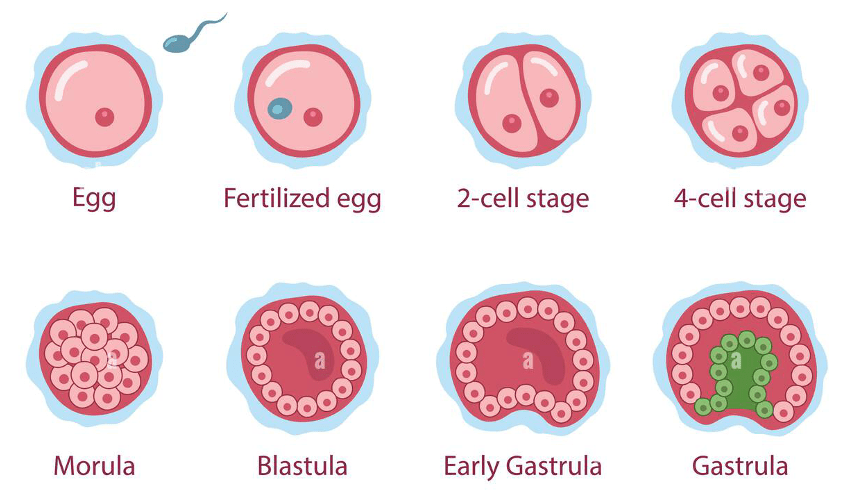
Question 75:
Correct Answer: C)
Explanation: the blastocyst stage is characterised by the development of a fluid-filled cavity called the blastocoel.
A) is incorrect because this occurs during gastrulation, after the blastocyst stage.
B) is incorrect because implantation occurs after the blastocyst has formed.
D) is incorrect because the primitive streak forms during gastrulation.
E) is incorrect because this occurs at the zygote stage, immediately after fertilisation.

Question 76:
Correct Answer: C)
Explanation: the prechordal membrane is a structure located at the anterior end of the embryonic disc and plays a crucial role in the development of the mouth. It provides essential signalling that influences it to develop into the oropharyngeal membrane that later becomes the mouth
A) is incorrect because the spinal cord is derived from the neural tube, not the prechordal plate.
B) is incorrect because the notochord is primarily responsible for this induction.
D) is incorrect because the primitive streak forms on the epiblast and is involved in gastrulation.
E) is incorrect because the heart forms from the splanchnic mesoderm (part of the lateral plate mesoderm), not the prechordal plate.

Question 77:
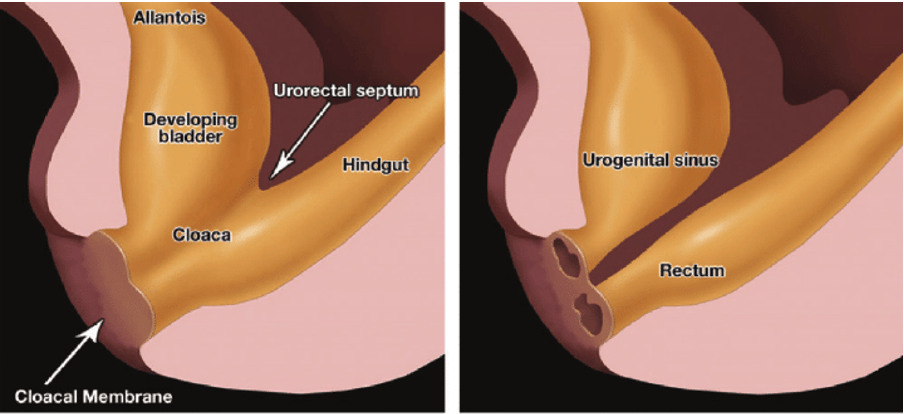
Correct Answer: B)
Explanation: the cloaca is a common embryonic chamber that eventually separates into the structures of the urinary and digestive systems. It forms the rectum, the anal canal, and the parts of the urogenital tract, including the bladder and urethra. The cloaca plays a central role in the development of these systems by partitioning into distinct regions for waste elimination and digestion.
A) is incorrect because these structures are derived from the mesoderm, not the cloaca.
C) is incorrect because these structures are derived from the ectoderm due to signals from the notochord and are not formed from the cloaca.
D) is incorrect because these structures are derived from the neural tube and not related to the cloaca.
E) is incorrect because the limbs and torso are derived from mesoderm not from the cloaca.
Question 78:
Correct Answer: C)
Explanation: the oropharyngeal membrane, also known as the buccopharyngeal membrane, is a structure in the early embryo that separates the future oral cavity from the pharynx. As development progresses, this membrane breaks down to form the opening of the mouth, establishing the connection between the oral cavity and the pharynx.
A) is incorrect because the cloaca is a different structure that forms the lower urinary and digestive tracts opening to expel faeces and urine.
B) is incorrect because the heart forms from mesodermal precursors, not the oropharyngeal membrane.
D) is incorrect because the neural tube forms from the ectoderm, not the oropharyngeal membrane.
E) is incorrect because the placenta forms from trophoblasts (syncytiotrophoblast).
Question 79:
Correct Answer: C)
Explanation: the paraxial mesoderm forms somites, which differentiate into dermis, skeletal muscles, and vertebrae.
A) is incorrect because these are derived from the splanchnic mesoderm.
B) is incorrect because these are derived from the intermediate mesoderm.
D) is incorrect because these are derived from the endoderm.
E) is incorrect because these are derived from the ectoderm.
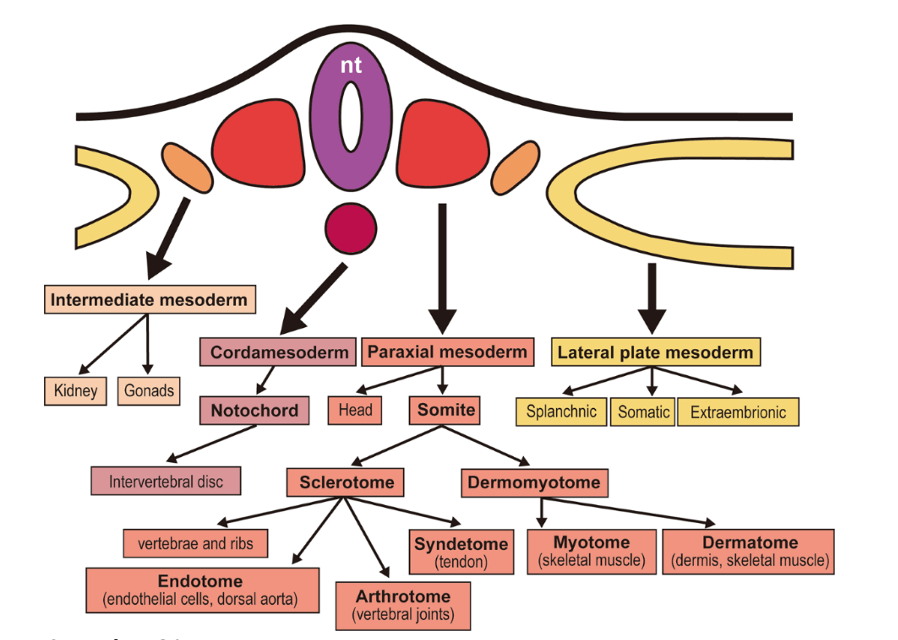
Question 80:
Correct Answer: C)
Explanation: folic acid (vitamin B9) is vital for the proper closure of the neural tube, which forms the brain and spinal cord. Adequate folic acid levels reduce the risk of neural tube defects such as spina bifida and anencephaly. Folic acid helps in the synthesis of nucleic acids and the formation of new cells, making it essential for the development of the neural tube during the early stages of pregnancy.
A) is incorrect because folic acid is primarily known for preventing neural tube defects, not directly preventing miscarriage.
B) is incorrect because while folic acid is important for overall foetal development, its primary role is in neural tube closure.
D) is incorrect because folic acid is not directly involved in limb development.
E) is incorrect because the primary role of folic acid is related to neural tube development, not directly enhancing cognitive development.
Question 81:
Correct Answer: A)
Explanation: the trigeminal nerve (CN V) is associated with the first pharyngeal arch, also known as the mandibular arch. The trigeminal nerve provides both sensory and motor innervation to structures derived from this arch. It is divided into three major branches: the ophthalmic (V1), maxillary (V2), and mandibular (V3) nerves. The mandibular branch (V3) specifically innervates muscles of mastication and provides sensory innervation to the face.
B) is incorrect because the facial nerve is associated with the second pharyngeal arch.
C) is incorrect because the glossopharyngeal nerve is associated with the third pharyngeal arch.
D) is incorrect because the vagus nerve is associated with the fourth and sixth pharyngeal arches.
E) is incorrect because the hypoglossal nerve is not associated with any pharyngeal arch.
Question 82:
Correct Answer: B)
Explanation: the lateral plate mesoderm splits into the somatic layer (which forms the body wall) and the splanchnic layer (which forms the visceral organs).
A) is incorrect because these are primary germ layers, not layers of the lateral plate mesoderm.
C) is incorrect because these are a distinct & separate layer of mesoderm.
D) is incorrect because these structures are not formed from the lateral plate mesoderm, neural crest cells are derived from ectoderm and the notochord is derived from mesenchyme.
E) is incorrect because these structures are the first & second germ layers. Lateral plate mesoderm is a branch of the mesoderm.
Question 83:
Correct Answer: D)
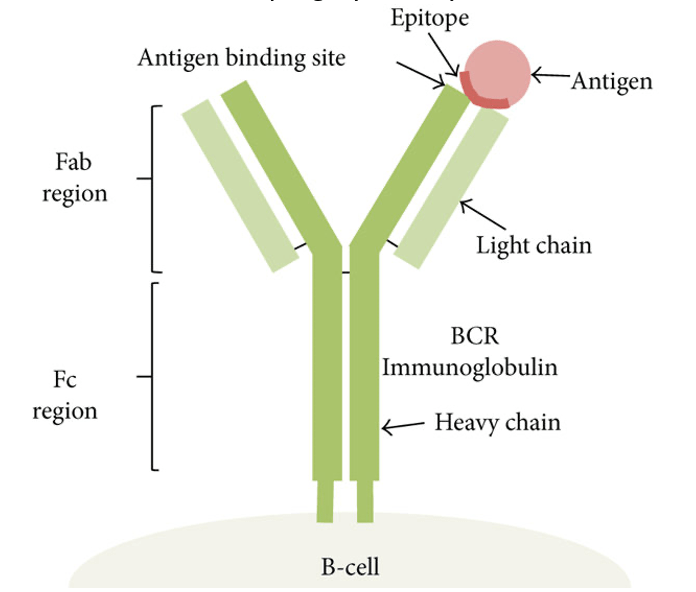
Explanation: epitopes are specific regions or fragments of an antigen that are recognised by antibodies or T cell receptors. They are the precise sites on antigens to which the immune system binds to mount an immune response.
A) is incorrect as epitopes themselves do not induce an immune response; rather, they are the target of the immune response.
B) is incorrect as antibodies are produced by B cells, not epitopes.
C) is incorrect as T cell receptors recognize epitopes, but epitopes are not receptors themselves.
E) is incorrect as epitopes are recognized by immune cells but do not directly kill pathogens. The killing of pathogens is usually carried out by other mechanisms such as phagocytes or cytotoxic T cells.
Question 84:
Correct Answer: B)
Explanation: eosinophils are white blood cells that are particularly effective against parasitic infections and nematodes, they play a significant role in allergic reactions. They contain large granules that stain well with eosin, a red dye.
A) is incorrect as neutrophils are involved in phagocytosis and are primarily effective against bacterial infections.
C) is incorrect as basophils are involved in inflammatory reactions and release histamine but are less involved in parasitic infections.
D) is incorrect as fibroblasts are cells that produce extracellular matrix and are not primarily involved in immune responses.
E) is incorrect as mast cells are involved in allergic responses and release histamine.
Question 85:
Correct Answer: C)
Explanation: PRRs are receptors on our innate immune cells (e.g. neutrophils, basophils etc.) that recognise PAMPs and DAMPs, helping to identify and respond to pathogens and damaged cells.
B) is incorrect, while PRRs are involved in immune responses, they do not directly initiate the complement cascade.
D) is incorrect as PRRs do not directly kill pathogens; they initiate immune responses by recognizing molecular patterns.
E) is incorrect acute phase proteins are produced in response to inflammation, by the liver, not by PRRs.
Question 86:
Correct Answer: B)
Explanation: The complement cascade is a series of events that leads to the formation of the membrane attack complex (MAC), which directly lyses pathogen membranes.
A) is incorrect as antibodies are produced by B cells, not by the complement cascade.
C) is incorrect, while the complement cascade can enhance T cell activation indirectly, its primary role is not to directly activate T cells.
D) is incorrect as the complement cascade does not promote cell proliferation.
E) is incorrect as the complement cascade does not transport nutrients; its primary function is pathogen clearance and destruction.
Question 87:
Correct Answer: A)
Explanation: V(D)J recombination is a process that creates diversity in the variable regions of antibodies and T cell receptors, allowing the immune system to recognise a vast array of antigens. This recombination occurs in the bone marrow (for B cells) and thymus (for T cells).
B) is incorrect as DNA repair processes are different from V(D)J recombination and occur in all cells.
C) is incorrect as protein synthesis occurs in the ribosomes, not through V(D)J recombination.
D) is incorrect as DNA replication occurs in the nucleus, not related to V(D)J recombination.
E) is incorrect as energy release occurs in mitochondria, which is unrelated to V(D)J recombination.
Question 88:
Correct Answer: A)
Explanation: C3b is a major opsonin that binds to pathogens and marks them for phagocytosis by immune cells. It enhances the uptake and destruction of pathogens by phagocytes.
B) is incorrect as C4a is not an opsonin; it is involved in the classical pathway but is not known for opsonisation.
C) is incorrect as C5b is a component of the MAC (membrane attack complex) but does not act as an opsonin.
D) is incorrect as C3a is an anaphylatoxin, not an opsonin.
E) is incorrect. C7 is involved in the MAC.
Question 89:
Correct Answer: B)
Explanation: The MAC is formed by the sequential assembly of C5b, C6, C7, C8, and multiple C9 molecules. This complex forms a pore in the membrane of target cells, leading to cell lysis.
A) is incorrect as C3a and C5a are anaphylatoxins, not components of the MAC. C6 is part of the MAC assembly but not alone.
C) is incorrect as C4b and C2a are involved in the classical and lectin pathways but do not form the MAC.
D) is incorrect as C1q, C1r, and C1s are components of the classical pathway’s initiation complex but do not form the MAC.
E) is incorrect as C3b is involved in opsonization, and C4a is an anaphylatoxin, but neither is part of the MAC formation.
Question 90:
Correct Answer: B)
Explanation: C5a and C3a are potent anaphylatoxins that promote inflammation by increasing vascular permeability and recruiting immune cells to the site of infection or injury.
A) is incorrect as C3b and C4b are primarily involved in opsonization, not in causing inflammation.
C) is incorrect as C6 and C7 are involved in MAC formation, not in inflammation as anaphylatoxins.
D) is incorrect as C1q and C2a are involved in the classical pathway but do not act as anaphylatoxins.
E) is incorrect as C8 and C9 are involved in forming the MAC, not in causing inflammation.
Question 91:
Correct Answer: C)
Explanation: The alternative pathway is activated by the spontaneous hydrolysis of C3 and its binding to microbial surfaces, allowing for complement activation without the need for antibodies.
A) is incorrect as the classical pathway requires antibodies to bind to antigens for activation.
B) is incorrect as the lectin pathway is activated by mannose-binding lectin (MBL) binding to specific carbohydrate patterns on microbial surfaces.
D) is incorrect as the terminal pathway involves the formation of the MAC, which is a downstream component of all three pathways but does not trigger activation by itself.
E) is incorrect as there is no specific “complement regulatory pathway”.
 Med Wiz